Solar Energy
It is not the decision that has a price.Its consequences do.
Engineering, installation and service of solar power plants of any complexity.
Lower bills
Solar generation covers daytime consumption. Surplus charges the battery or is exported to the grid under feed-in programs.
Power during outages
The battery system feeds critical loads autonomously: boiler, refrigerator, communications, lighting — without the grid.
Generation on your phone
Yield, consumption and station status in the app, around the clock. History by days, months and years.
27 years of telecom infrastructure that has no right to stop.
The same engineering approach in solar energy: reliability calculation, redundancy, post-installation service. AIST network nodes run on solar and LiFePO₄ — 120 hours of autonomy proven by the 2022 blackouts.
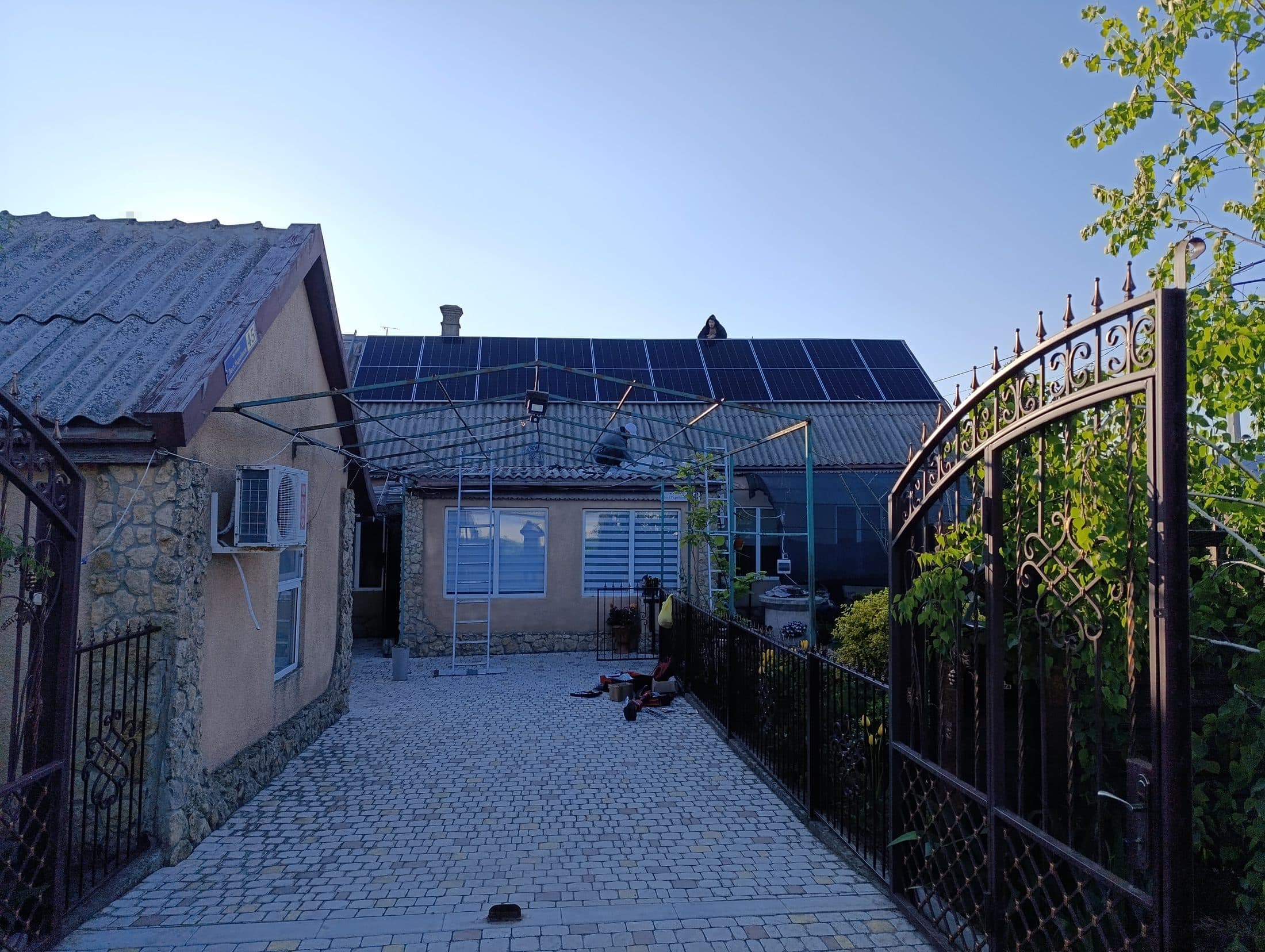
Rooftop stations
Solar plants for pitched and flat roofs. Design accounting for roof geometry, shading and loads. Pitched — rafter mounts; flat — ballast systems without roof penetration.
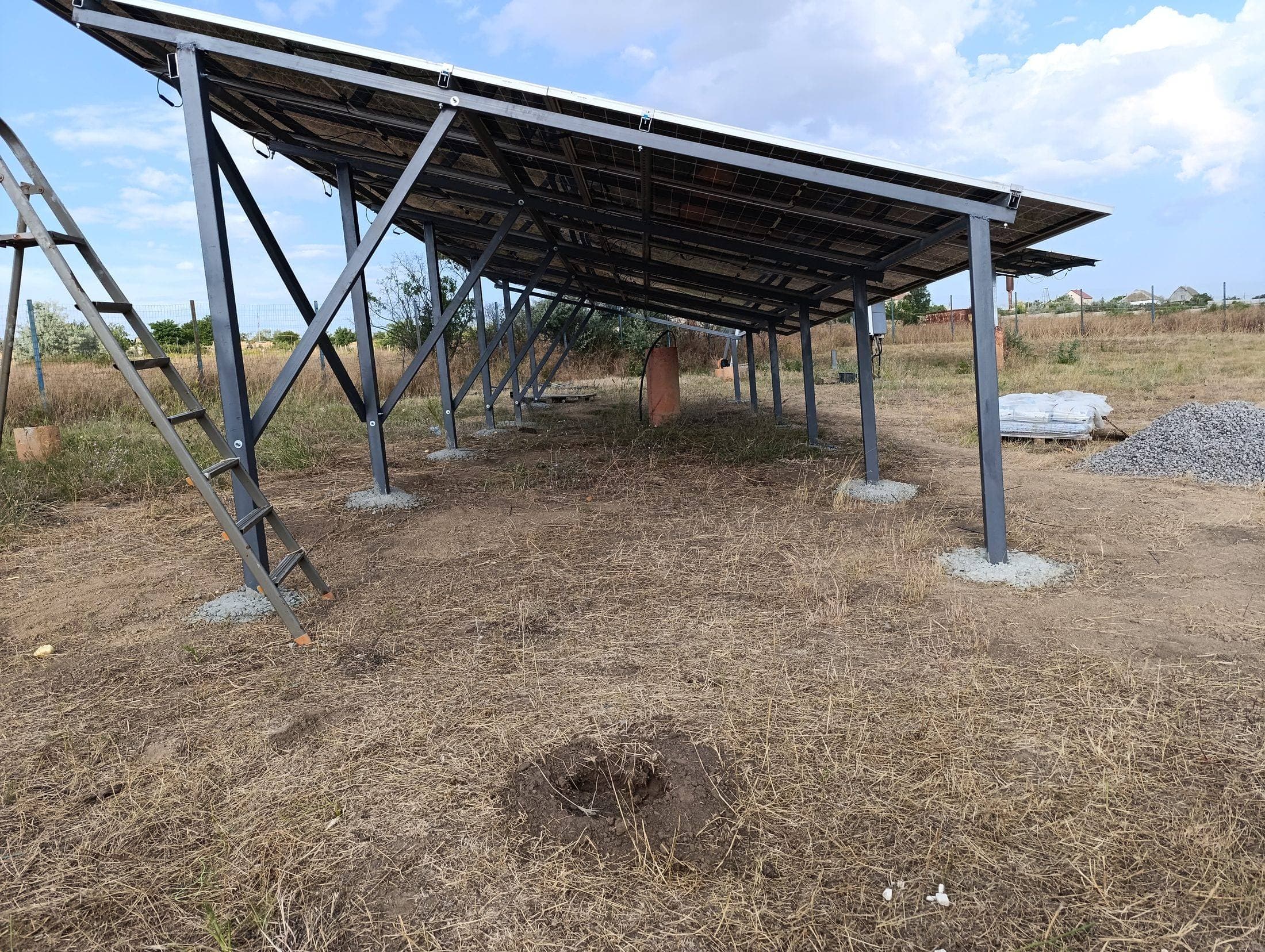
Ground-mounted
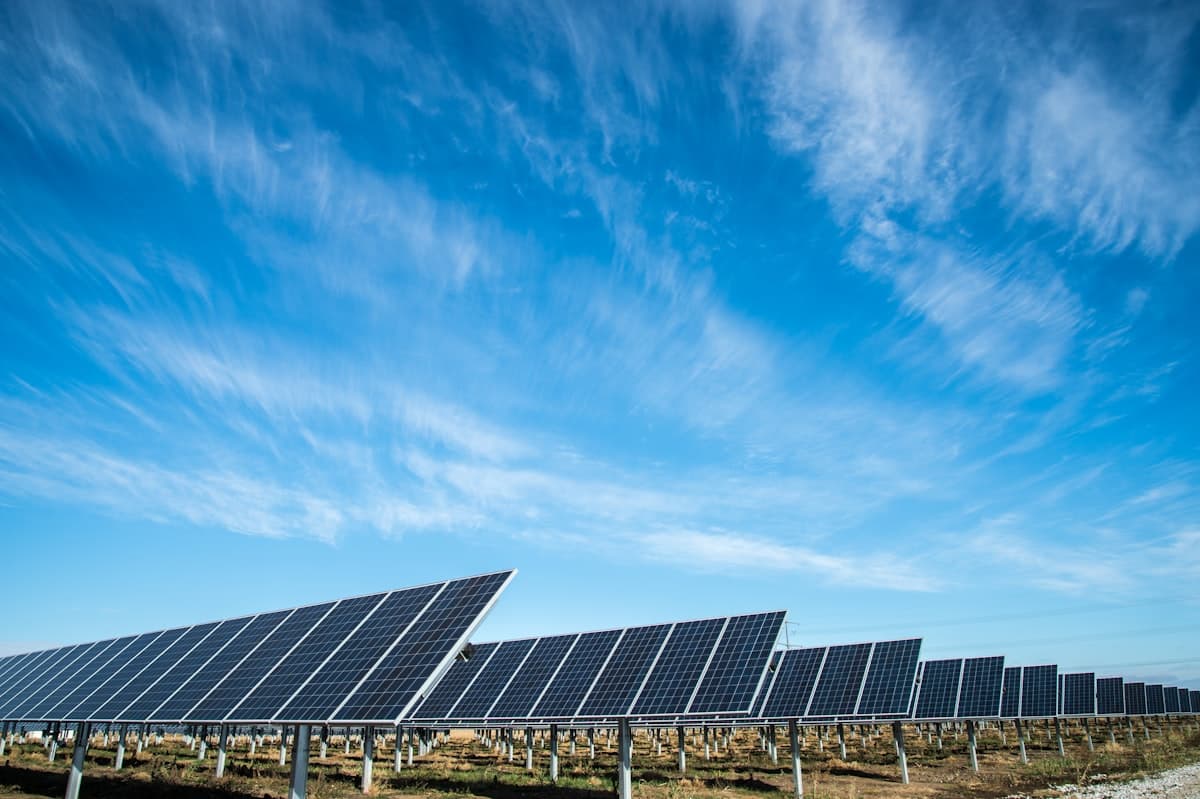
Ground structures with optimal tilt and orientation for maximum yield and easy service. Galvanized profiles, wind and snow load calculation.
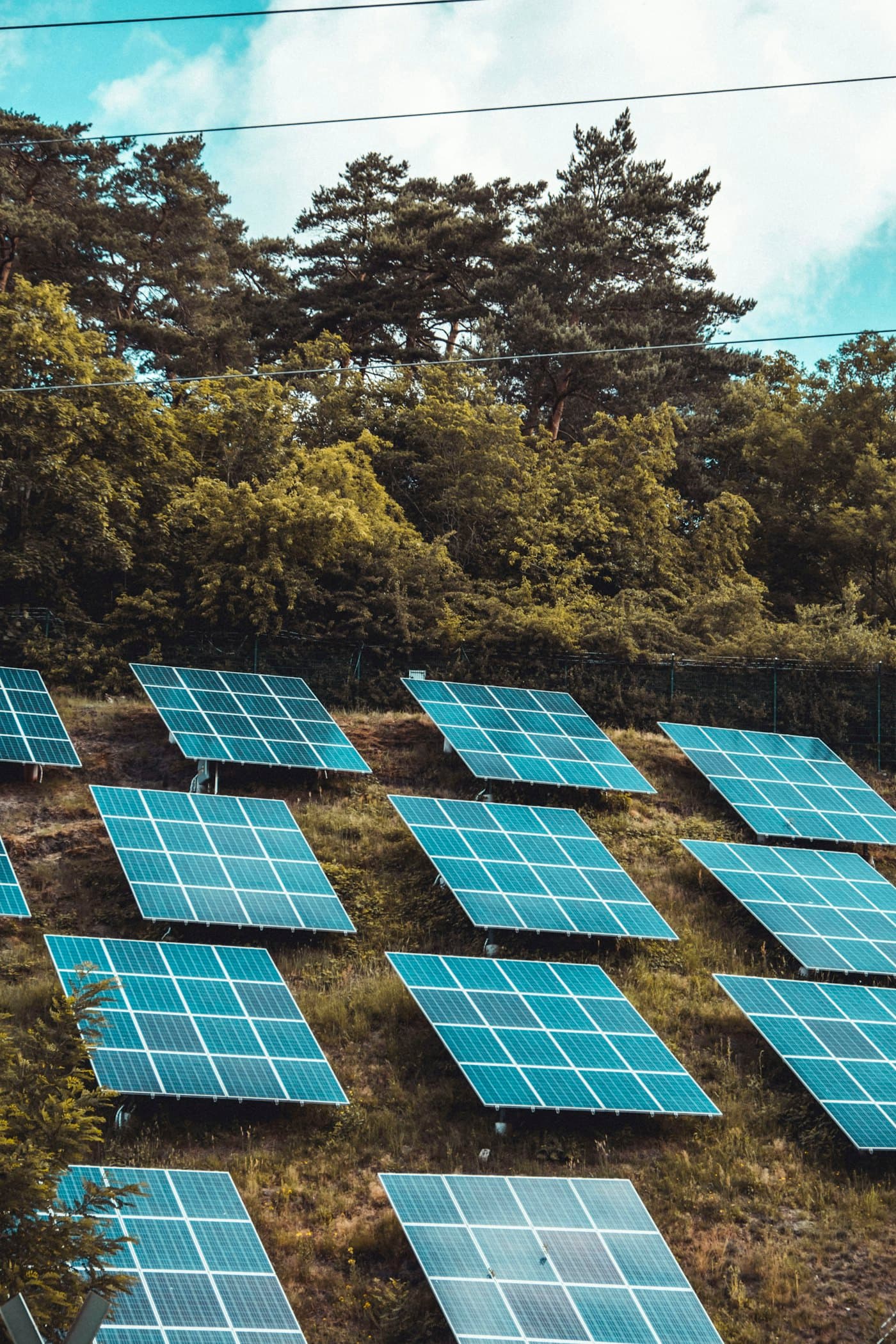
Single-axis trackers
Structures following the sun through the day. Up to 20–30% more yield depending on site and conditions. Design, reconstruction and service of tracker systems.
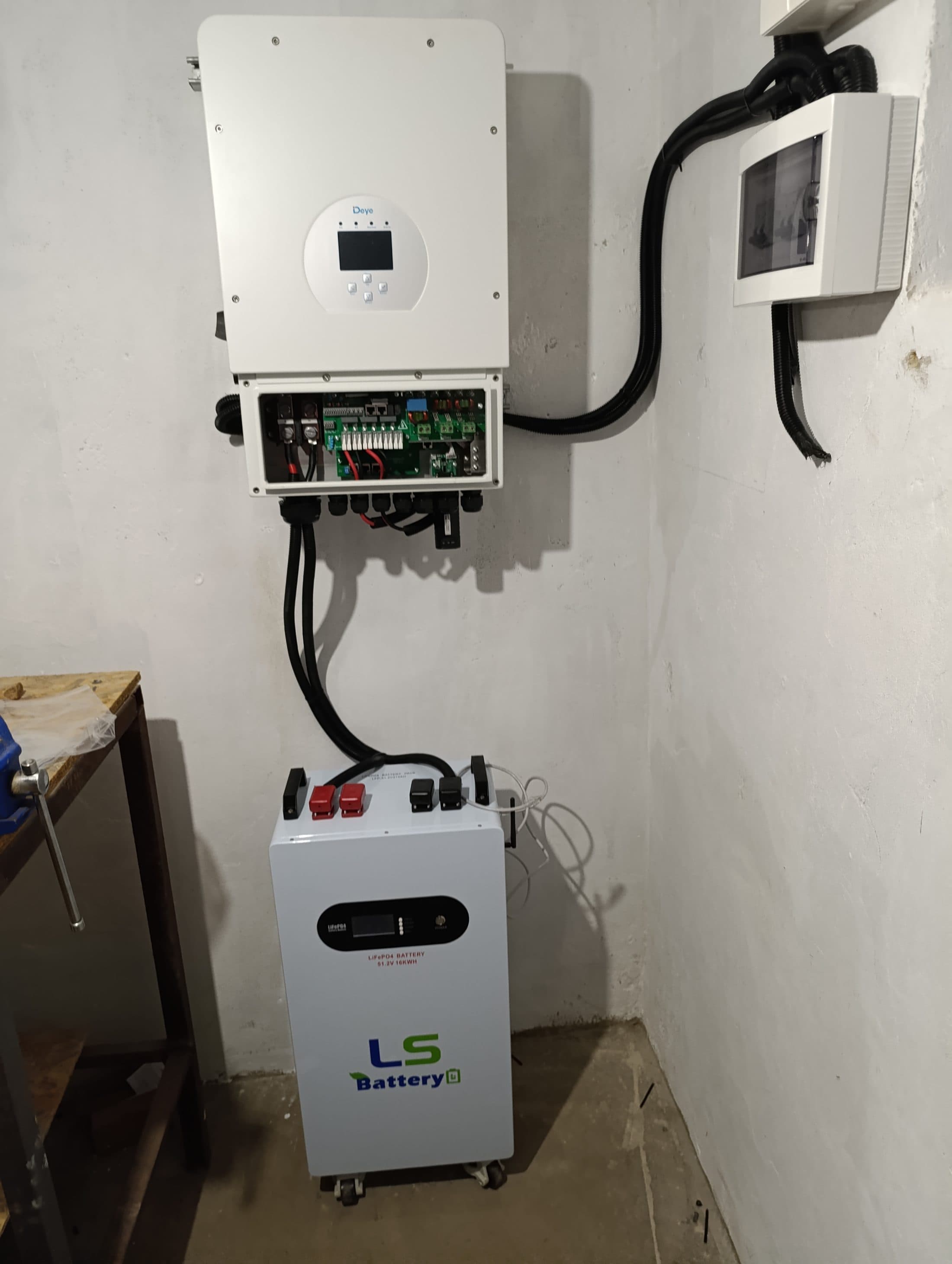
Hybrid with storage
LiFePO₄ battery systems for backup power and maximum self-consumption. Modes: grid, generation, battery — with automatic switching.
10 kW hybrid station
Optimal for most private homes: daytime consumption, battery charging and eligibility for financing programs.
- N-Type solar panels 470–620 W
- Hybrid inverter 10 kW, up to 3 MPPT
- LiFePO₄ battery
- DC/AC protection, grounding, monitoring
Estimated annual generation
10 kWp, south orientation, Odesa region. PVGIS model.
Total per year: ≈ 11,200 kWh
Panels
Performance warranty per manufacturer datasheet: linear degradation, 80–87% of rated power at end of term.
Inverter
Factory warranty depending on manufacturer and series. Premium lines extendable upon registration.
LiFePO₄ battery
Lifetime per manufacturer datasheet. At one cycle daily — over 13 years to rated capacity limit.
Warranty terms are set by the equipment manufacturer and stated in the model datasheet. Documents are handed to the customer at station delivery.
 PrivatBank — financing programs
"Energy Sources"
State program supporting distributed generation. Interest rate compensated under the state program terms.
- For individuals
- Solar and wind installations
- Via Privat24 or branch
"EnergoGrant" (EBRD)
Loan UAH 100,000–1,000,000 for 12–60 months. No collateral, down payment from 0%. EBRD investment grant per current program terms.
- Equipment rated up to 30 kW
- Panels, inverters, LiFePO₄ storage
- Preliminary decision in 2 minutes
Loan terms are set by the bank. Current terms at privatbank.ua. The PrivatBank logo designates the bank's financing programs.
Private house · 12 kWp
Three roof slopes · three MPPT · LiFePO₄ battery
Private house · 7.5 kW
Complex hip roof · superstructure avoidance · winter yield
Agricultural site · tracker system
Single-axis tracker reconstruction · 18 modules
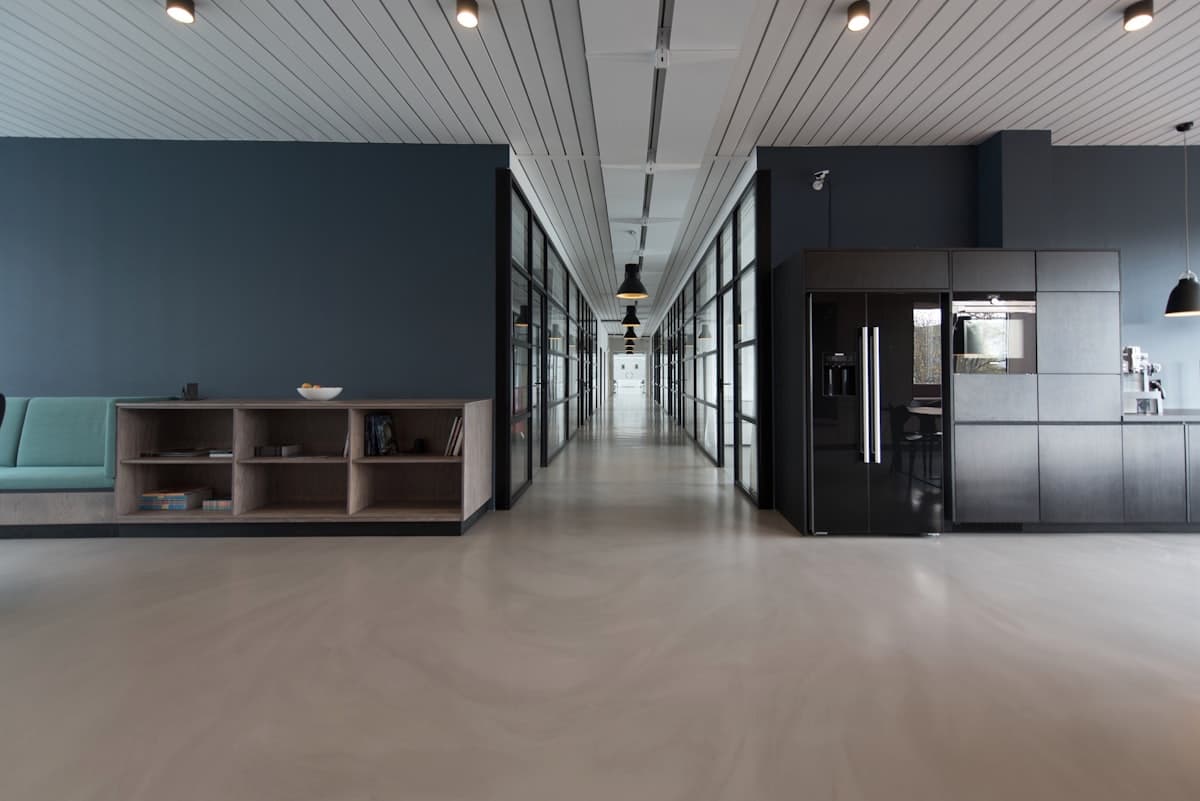
Administrative building · 20 kW
Hybrid station · backup power up to 72 hours
Educational institution · 38.4 kWp
Flat roof · ballast system · international program
AIST network nodes
Solar + LiFePO₄ · 120 hours autonomy · proven in 2022
Operator engineering
Telecom operator since 1999. Energy is designed like critical infrastructure: calculation, redundancy, fault tolerance.
Site survey before design
Every station — generation, load and redundancy calculation from actual on-site measurements, not satellite imagery.
24/7 monitoring
Stations under AIST monitoring. Generation deviations are visible before they become a problem — same as in a telecom network.
Full cycle
Survey, design, supply, installation, commissioning, service. One contractor at all stages.
Survey
Site visit, measurements, consumption analysis.
Design
Yield calculation, equipment selection, estimate.
Supply
Equipment from manufacturers and official distributors.
Installation
Structures, panels, inverter, protection boards.
Commissioning
Start-up, mode configuration, monitoring connection.
Service
Generation monitoring, station maintenance.
Does the station need maintenance?
Minimal. Panels are cleaned by precipitation; washing if heavily soiled. System status is visible in monitoring, scheduled inspections per service plan.
What about winter?
Generation drops but does not stop: December–January give 300–450 kWh per 10 kW station in the Odesa region. Snow slides off panels faster than off the roof due to heating and tilt.
What happens during a grid outage?
The hybrid system automatically switches to battery and solar. Critical loads keep running. Autonomy depends on battery capacity and load.
How long does installation take?
A typical 5–15 kW station is installed in 2–5 working days after equipment delivery. Timing depends on roof complexity and weather.
How long do panels last?
Manufacturer performance warranties — 25–30 years with linear degradation. Actual service life of quality panels exceeds the warranty.
Solar station request
An engineer will contact you, arrange a site visit and prepare a calculation based on actual measurements.